
El espesor de la pared es uno de los detalles de diseño más importantes en una carcasa de fundición a presión de aluminio, pero también es uno de los detalles más fáciles de subestimar. Los compradores suelen considerar el espesor de la pared como una cuestión de resistencia: ¿la carcasa será lo suficientemente resistente o la pared debería hacerse más gruesa? En la fundición a presión, la respuesta es más complicada. El espesor de la pared afecta el flujo del metal, la velocidad de enfriamiento, la contracción, el riesgo de porosidad, la disposición del eyector, los márgenes de mecanizado, el acabado de la superficie e incluso la cotización final.
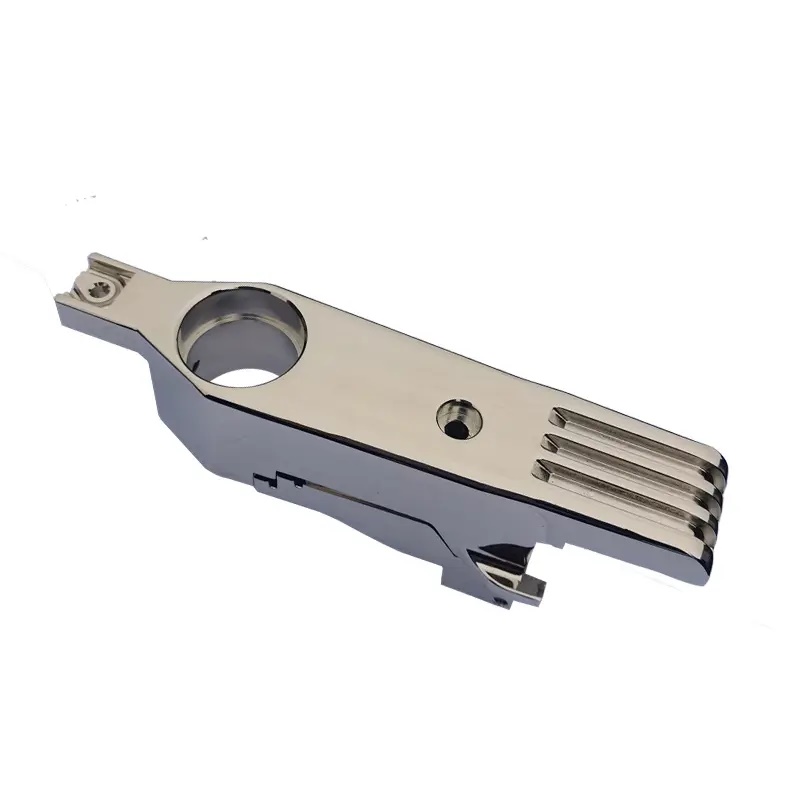
Para los compradores de OEM, el mejor momento para revisar el espesor de la pared es antes de comenzar con el mecanizado. Una vez que se ha cortado un molde, cambiar un saliente, mover una nervadura o agregar margen de mecanizado puede resultar costoso. Un dibujo útil no sólo muestra la forma exterior de la carcasa. También debe mostrar qué superficies son funcionales, qué orificios necesitan mecanizarse, qué caras necesitan sellarse y qué zonas de apariencia deben protegerse.
En la fundición a presión de aluminio, la aleación de aluminio fundido se inyecta en un molde de acero a alta velocidad y se solidifica rápidamente. Una carcasa con un espesor de pared razonablemente equilibrado permite que el metal llene la cavidad de manera más consistente. Cuando la pared cambia repentinamente de delgada a gruesa, la sección delgada puede congelarse antes mientras que la sección gruesa continúa enfriándose y encogiéndose. Esto puede aumentar el riesgo de porosidad interna, marcas de hundimiento, deformación local o resultados de mecanizado inestables.
Esto no significa que todas las paredes deban ser exactamente iguales. Las carcasas reales necesitan salientes roscados, nervaduras, postes de montaje, aberturas para cables y esquinas reforzadas. El objetivo es evitar masas pesadas abruptas y paredes delgadas sin soporte. Una buena revisión de DFM analiza cómo fluirá el metal hacia la pieza, por dónde debe escapar el aire, por dónde será expulsada la pieza y qué áreas se mecanizarán más adelante.
| Característica de la vivienda | ¿Qué puede salir mal? | Diseño práctico o acción de RFQ |
|---|---|---|
| Gran pared lateral plana | deformación, marcas de flujo, superficie de apariencia débil | agregue las costillas con cuidado, defina el lado de apariencia, analice la planitud si es necesario |
| Jefe de tornillo grueso | contracción, porosidad alrededor de la base del jefe | centrar el jefe siempre que sea posible y evitar una masa sólida de gran tamaño |
| Costilla delgada cerca de una pared pesada | llenado incompleto o recorte difícil | revisar el espesor de las nervaduras, el ángulo de tiro y la dirección de la puerta |
| Cara de sellado o junta | Fugas, mal ajuste, variación de mecanizado. | marcar como superficie funcional y reservar el margen CNC |
| Orificio de montaje roscado | desalineación, rebabas, profundidad de rosca débil | especificar el proceso de perforación/roscado y el requisito de calibre de rosca |
| Cara exterior visible | Marcas de expulsión, marcas de líneas de separación, defectos de revestimiento. | identificar áreas cosméticas antes de confirmar el diseño del molde |
Los resaltes y nervaduras son necesarios en muchas carcasas de fundición a presión de aluminio. Soportan tornillos, mejoran la rigidez y ayudan a localizar los componentes internos. Sin embargo, también es donde comienzan muchos problemas de casting. Un saliente grueso conectado directamente a una pared delgada puede crear un punto caliente. Una costilla demasiado delgada o demasiado profunda puede resultar difícil de rellenar. Un poste de tornillo colocado demasiado cerca de una pared exterior cosmética puede crear marcas en el lado visible.
Para postes atornillados, los compradores deben definir el tipo de tornillo, la profundidad de la rosca, las expectativas del orificio piloto y si el orificio se perforará y roscará después de la fundición. Si la rosca debe soportar carga, es mejor revisar la geometría del jefe y la ruta de mecanizado antes de aprobar el molde. En el caso de las nervaduras, el proveedor debe comprobar si la nervadura soporta la función de la carcasa o sólo añade masa innecesaria.
Algunas carcasas son sólo cubiertas protectoras. Otros deben sellar contra una cubierta, junta, conector o carcasa de acoplamiento. Una superficie de fundición a presión en bruto puede no ser adecuada para una cara de sellado crítica. Si la planitud o el acabado de la superficie son importantes, el dibujo debe identificar claramente la superficie como mecanizada.
Los márgenes de mecanizado deben planificarse antes del mecanizado. Si se descubre una superficie de sellado después de la primera prueba, es posible que el molde no tenga suficiente stock para el mecanizado. Esta es una fuente común de cambios de ingeniería tardíos. Para carcasas con conjuntos de cubierta, el comprador debe proporcionar la cubierta de acoplamiento o al menos el requisito de sellado para que la fábrica pueda revisar la referencia correcta y la dirección de mecanizado.
El espesor de la pared está estrechamente relacionado con la disposición del molde. El diseñador del molde necesita un ángulo de desmoldeo para que la pieza fundida pueda desprenderse del molde. La línea de separación decide dónde se unen las dos mitades del molde. Los pasadores eyectores empujan la pieza fundida después de la solidificación. Estos detalles de las herramientas pueden dejar marcas en la pieza, por lo que no deben ignorarse si la carcasa tiene superficies exteriores visibles.
Para carcasas industriales, puede ser aceptable una pequeña marca de eyección en una cara interna oculta. Para un marco de exhibición, carcasa de comunicación o recinto visible, esa misma marca puede ser inaceptable. Los compradores deben identificar las caras cosméticas con antelación. Esto ayuda a la fábrica a colocar marcas de expulsión, compuertas y líneas de separación en áreas menos sensibles cuando el diseño lo permite.
| pregunta DFM | Por qué es importante antes de la cotización |
|---|---|
| ¿Están marcadas las superficies funcionales? | determina el costo de inspección y mecanizado CNC |
| ¿Los jefes gruesos están descorazonados o relevados? | reduce los puntos calientes y el riesgo de contracción |
| ¿Las costillas son necesarias y calcinables? | mejora la rigidez sin crear problemas de llenado |
| ¿Se identifica el lado cosmético? | ayuda a controlar las ubicaciones de la puerta, el eyector y la línea de separación |
| ¿Los agujeros están moldeados, perforados o roscados? | afecta las herramientas, el tiempo de mecanizado y la inspección de roscas. |
| ¿La superficie necesita revestimiento? | afecta el enmascaramiento, el control de rebabas y el embalaje |
Un espesor de pared poco claro y unos requisitos de superficie funcional poco claros pueden hacer que las cotizaciones parezcan más baratas de lo que realmente son. Por ejemplo, una cotización que excluya el mecanizado CNC en una cara de sellado puede parecer atractiva al principio, pero no cumplirá con el requisito de ensamblaje final. Una cita que ignora la inspección del hilo también puede crear problemas más adelante. Los buenos proveedores hacen preguntas temprano porque esas preguntas protegen tanto al comprador como a la fábrica.
Los principales factores de costo son la complejidad del molde, los deslizadores o núcleos laterales, el tiempo de mecanizado, el acabado de la superficie, el nivel de inspección y el volumen anual esperado. El diseño equilibrado de la carcasa puede reducir el mecanizado y el retrabajo innecesarios. Los requisitos de diseño mal definidos pueden aumentar los cambios de molde, el tiempo de prueba y los retrasos en las muestras.
Para una carcasa de fundición a presión de aluminio personalizada, Huabo recomienda enviar un modelo 3D, un dibujo 2D, los requisitos de material, la cantidad anual, el acabado de la superficie, las dimensiones críticas y las notas de montaje. Si la carcasa funciona con tapa, junta, tornillo, conector o módulo interno, esa información también se debe compartir. Ayuda al equipo de ingeniería a comprender qué superficies son cosméticas, cuáles son funcionales y qué dimensiones controlan realmente el montaje.
Las referencias relacionadas en este sitio incluyenservicio de fundición a presión de aluminio,Mecanizado CNC para piezas de fundición a presión,inspección dimensionaly elcomponente de carcasa cilíndrica de fundición a presión de aluminio.
Un buen diseño del espesor de la pared no consiste en hacer que cada área sea gruesa. Se trata de crear una carcasa que pueda llenarse, enfriarse, expulsarse, mecanizarse, terminarse e inspeccionarse de forma consistente. Para los compradores de OEM, el enfoque más útil es marcar claramente la función de la pieza: dónde sella, dónde se monta, dónde es visible y dónde se debe mecanizar. Esto convierte un dibujo general de vivienda en un proyecto de fundición a presión fabricable.
Teléfono:+86 18868921505
Correo electrónico:lijianguo@cxhuabo.com
Dirección: Y iheng road, ciudad de Changhe, ciudad de CI, ningbo, provincia de Zhejiang, China

escanear wechat
Copyright © 2022 Cixi Huabo Machinery Co., Ltd
Mapa del sitioEste sitio web utiliza cookies para garantizar que obtenga la mejor experiencia en nuestro sitio web.

 English
 Pусский
 Français
 日本語
日本語



 Whatsapp
 Teléfono
Comentario
(0)